In every car
Rare earths are not rare. Mines run in three countries. The magnets they end up in are made in one.
The name is the misunderstanding. Rare earths are common in the earth's crust. What is rare is the plant that turns the rock into usable metal.
The IEA puts China at about 61% of the world's rare earth mining, about 91% of refining and separation, and about 94% of finished permanent magnets. Mining is the least concentrated step on the chain — and the one everybody argues about.
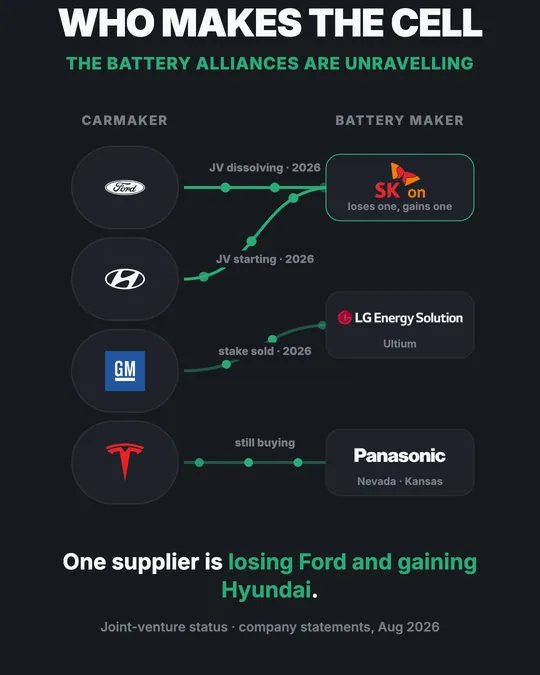
Those magnets sit in every electric motor. When China restricted exports of seven heavy rare earths in April 2025, BMW, Ford and Suzuki all reported disruption. The current suspension of those controls expires 10 November 2026.
Even the company that said it was leaving. Tesla announced in 2023 that its next motor would use no rare earths at all; three years on there is no commercial version of it, and Musk said China's controls delayed Optimus over a magnet issue. The heavy elements behind that — dysprosium and terbium — mostly originate in Myanmar and have no substitute at scale.
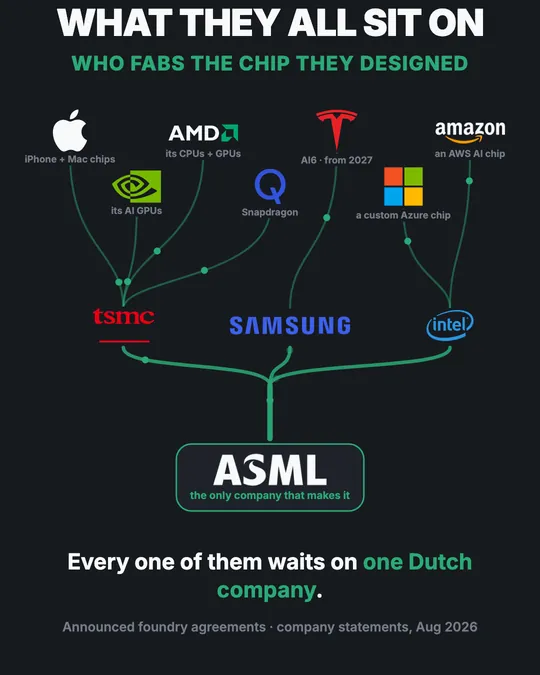
More mines do not fix it fast: the rock still goes to a refinery.